Coughing/sneezing noises: Reverse sneezing

Coughing and sneezing noises can indicate serious respiratory, cardiac, or metabolic disease or they could be something much less harmful such as reverse sneezes.  A reverse sneeze itself is not harmful and is seen more often in short-nosed dogs and beagles.  Many owners become concerned when they hear a reverse sneeze and may think they have an emergency on their hands, but a reverse sneezing episode will only last a few minutes, at most.

While the best thing to do is let your veterinarian see your pet in order to do a full evaluation and rule out diseases or conditions that can harm your pet, comparing your pets activities to these videos may help you discern between a reverse sneeze and something more serious:

Reverse sneezing video

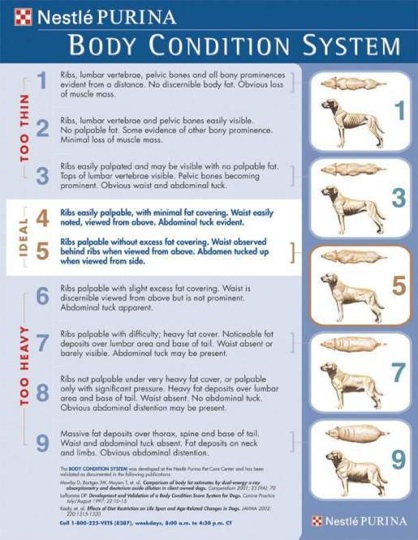
Body Condition Score

Many of you have asked the question:  “Is my pet fat?”  Veterinarians answer that question using a combination of observations, but a major assessment tool used is Body Condition Score.  While monitoring a pets weight is an important step in keeping them healthy, Body Condition Score is a more inclusive assessment that grades an animal on a spectrum from unhealthily thin, to ‘just right’, to unhealthily fat.

Where to Find Me

I can be seen at the Long Island City Veterinary Center.

Address:

48-18 Vernon Blvd

LIC, NY 11101

Phone:  718-383-VETS (8387)

E-mail:  licvets@gmail.com

Website:  http://longislandcityvet.com

Pet Insurance

Many clients have asked about insurance options for their pet.  Initially, I was wary of pet insurance, but, over the years, have come to recommend it.

Pet insurance is different than human health insurance. With pet insurance, instead of paying a copay at the time of the visit,  you usually get reimbursed after the fact by the insurance company.  There are a few copay companies out there, but I do not recommend them as most veterinary clinics I am familiar with do not accept this type of insurance and expect full payment at time of service.

You can choose what company and what kind of coverage you want.  With most pet insurances, you pay your bill in full, then the company reimburses you later.  This allows veterinarians to examine, diagnose, and treat according to veterinary standards, not insurance standards.

Deciding which company to use can be overwhelming. I do not have any one preferred company over another.  The only complaints that I have heard about most insurance plans is that they won’t cover some pre-existing conditions. For example, I have seen dachshunds denied coverage for herniated disc surgery and bulldogs denied coverage for allergies.  My advice is to compare companies, get quotes, and try to speak with a representative from each company about your concerns.  Let them sell themselves to you and you decide who you trust the most.

As for things that you want covered, you must research your pet’s breed. Identify common ailments for each breed and see who covers them.  In general, there are two categories of coverage that every pet needs:

  • Emergencies: This is where I feel Pet Insurance saves lives.  Broken legs, hit-by-car accidents, foreign body ingestion, bloat, dog attack, etc.  This is when treatment gets pricy and people wish they had insurance.  Some animals receive sub-standard care because the owner can’t afford the best care at the time and it breaks my heart to know that money affects those decisions.
  • Preventative care: vaccines, fecals, heartworm tests, heartworm preventatives,  blood work screenings each year, etc.  Many companies cover a percentage of that.  You should estimate how much you spend on visits and preventatives each year and compare it to the yearly rate from the insurance company.  You may find that the prices at your vet are already fair and affordable and you may not need as much coverage in this area.  In other words, these are the costs you can PLAN on having, so do some math and see if you will save with preventative insurance.

While pet insurance is not for everyone, it can save lives in the case of emergencies and make healthcare affordable in preventing illness.  Carefully research your options and feel free to ask your vet for advice in deciding what’s best for you and your pet.

Aspirin, Tylenol, and Advil

I’ve had a rash of clients asking about what over-the-counter pain medications they can use in their dogs and cats.  My first response is always “consult your veterinarian before giving any over-the-counter medications.”

More and more people are consulting the internet concerning medications for their pets. Although there is some good information out there, there is also completely false information.  Don’t always believe what you read or hear from friends:  a veterinarian is only a phone call away.

Do not give Tylenol or Advil to your pet under any circumstance.  Dogs and cats metabolize differently than humans and can’t handle Tylenol or Advil.  In some cases I will recommend a buffered 81mg aspirin (or baby aspirin), but even then you should consult your veterinarian to find the proper dosing as inappropriate dosing or over-use can still be dangerous for your pet.

In short, the moral of the story is to always ask a veterinarian before giving over-the-counter medications. You may think you’re helping your pet, but you may be hurting it.

Why Vaccines?

If you’ve brought home a new pet, it is important to make sure it receives the proper vaccines to be protected against certain diseases.

Vaccines have been used for decades to prevent illnesses that are deadly and/or difficult to treat.  A new puppy or kitten needs several series of vaccines to ensure full protection.  Most veterinarians try to start this series at around 8-10 weeks of age.

The American Veterinary Medical Association (AVMA) has a very good summary of vaccine information at this link:
http://www.avma.org/issues/vaccination/default.asp

Spay/Neuter Post-Operation Care

Many people want to know ahead of time what to expect after a spay or neuter procedure.  These are some post-op instructions.

  • Plan to restrict movement – no jumping, running, or rough-housing for at least 5 days after the surgery.  Neuters tend to recover faster than spays.
  • Check the incision daily.  If you notice any discharge, an increase in swelling, a large amount of bleeding, extreme pain, or heat and inflammation at the incision, call your veterinarian or drop by for them to inspect it.
  • If there are any external sutures or staples, you need to return to the vet in 7-10 days to have these removed.  Not all incisions have external sutures or staples, but most veterinarians like to do  a recheck of the incision 7-10 days later, anyway, so plan to go back.
  • You may receive medications when your pet is discharged to you.  Make sure you understand the directions before you leave the office and ask when to start them.

Any other questions?  Ask your veterinarian before or after the procedure.